Buying an office chair on a limited budget is not necessarily about finding the cheapest chair you can get. It is about deciding which parts of the chair will affect your everyday experience and which compromises you can live with.
I learned this from using a budget office chair myself. I bought a chair from The Sleep Company through Amazon for roughly ₹6,000 and used it for around four years. I am about 6 ft tall and weighed around 80 kg when I was using it. The chair had a mesh back, adjustable armrests, adjustable height, a reclining function, an adjustable headrest, a fibre-based structure and wheels.
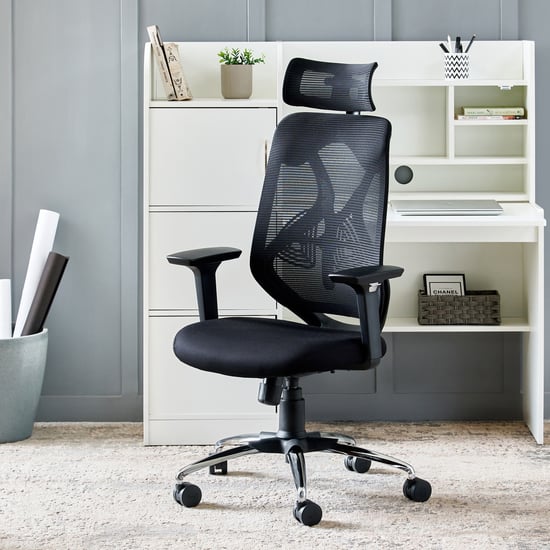
After roughly four years, the chair was still usable and comfortable for me. The wheels were still good, the main functions continued to work, and I found the chair easy to adjust and handle. But it was not perfect. The mesh had become loose, the cushion colour had deteriorated, and the adjustable armrests needed some maintenance.
What four years taught me
A budget chair can last much longer than you might expect when the basic construction and fit are right. But if I were buying again today, I would spend more on better-quality mesh and a better cushion. I would also pay closer attention to the chair's size, fit and warranty before placing the order.
Start with fit, not the price tag
The first thing I would check today is whether the chair actually fits me. A chair can have a long list of features and still be uncomfortable if the seat, backrest or adjustment range does not suit your body.
At around 6 ft tall, I found adjustable seat height particularly useful. Being able to change the height made the chair easier to set up for my desk, and the adjustment was simple enough that I could change it without much effort.
Before buying, check the manufacturer's stated dimensions rather than assuming that one chair size will work for everyone. Pay attention to seat height, seat width, seat depth and backrest dimensions where those measurements are available.
Why size matters
If you are taller or shorter than average, don't rely only on reviews from other buyers. A chair that feels comfortable to one person may not have the same fit for you.
This is one area where I would now spend more time before buying than I did when I purchased my own chair.
Spend your budget on useful adjustments
Adjustable seat height
Seat-height adjustment is one of the features I would consider essential. In my own chair, the height adjustment was easy to use and remained useful throughout my time with it.
Look at the actual adjustment range and compare it with your desk and your height. Don't simply look for the words "height adjustable" on a product listing.
Adjustable armrests
Adjustable armrests were another feature I found useful. They made it easier to set the chair up for comfortable use rather than leaving the arms at one fixed position.
There is one lesson from four years of use, though: moving parts need some attention over time. The armrest adjustment on my chair eventually needed maintenance. That doesn't make the feature a bad one, but it is a reminder that moving mechanisms can require attention after years of use.
Reclining function
The reclining function was part of what made the chair comfortable for me. I don't think a reclining mechanism automatically makes a chair good, but it can be useful when you want to change your sitting position during a long working day.
When comparing chairs, look at how the recline mechanism is described and whether the locking or tension controls are clearly explained. Avoid assuming that a chair with more advertised positions will automatically be more comfortable.
Adjustable headrest
My chair also had an adjustable headrest. I found having the ability to change its position useful, although I would still put overall chair fit ahead of the headrest when deciding where to spend a limited budget.
Don't ignore the materials
My four-year experience also changed how I think about materials.
The mesh back on my chair was comfortable during use, but after around four years it had become noticeably loose. That is one reason I would personally spend more on better-quality mesh if I were buying another chair today.
This doesn't mean that every budget mesh chair will loosen after four years. My experience is simply one example. But it does show why the material itself deserves attention rather than choosing a chair only because it has a mesh back.
The cushion matters too
I was comfortable sitting in my chair, but I would choose a better cushion if I were buying again.
The colour of the cushion also changed over time. This may sound like a cosmetic issue, and it is, but it is still something I personally care about. The lesson for me is not that colour is unimportant. It is that colour should be considered alongside the things you will notice every day, such as comfort, fit and material quality.
Where you can save money
A limited budget does not mean every part of the chair needs to be premium. You need to decide which compromises will actually matter during years of use.
- Fancy styling. Attractive design can be important if appearance matters to you, but don't let it outweigh basic comfort and fit.
- Unnecessary features. Extra features can be useful, but only if you will actually use them.
- Brand premium. A familiar brand name does not by itself guarantee that a particular chair will fit you better.
- Cosmetic details. Colour and appearance matter, especially if the chair is going into a visible home or office space, but they should be evaluated alongside durability and comfort.
What I would spend more on today
After using my roughly ₹6,000 chair for around four years, I would make a few different choices if I were shopping again.
- Better-quality mesh. The mesh eventually became loose, so this is one area where I would be willing to spend more.
- A better cushion. Comfort was good, but I would look more carefully at cushion quality before buying another chair.
- Correct size and fit. At 6 ft, I would pay closer attention to the dimensions and adjustment range instead of assuming the chair will fit.
- A useful warranty. A chair is something you may use for several years, so the warranty is worth checking before buying.
- Maintenance and replacement parts. If a chair contains adjustable mechanisms, check whether replacement parts and servicing are realistically available.
Buying a budget chair from Amazon
I bought my own chair through Amazon, so I know how tempting it is to make the decision from the product page alone.
When shopping online, I would not rely only on the star rating. Instead, check the product dimensions, adjustment range, material descriptions, stated weight capacity, warranty terms and what is actually included with the chair.
Customer photographs can also be useful for understanding how a chair looks after assembly, but remember that another buyer's body size and expectations may be completely different from yours.
If possible, compare the manufacturer's specifications with the information in the marketplace listing. If an important specification is missing, treat that as a reason to investigate further rather than automatically assuming the chair is suitable.
What to watch out for in very cheap chairs
Low price alone isn't a reason to reject a chair. The problem is when the low price comes with compromises that affect the things you use every day.
Before buying, look carefully for:
- No clear dimensions. You need enough information to judge whether the chair will fit you.
- No stated weight capacity. If the manufacturer does not provide a basic capacity specification, I would be cautious.
- Very limited adjustment. A chair that only adjusts in height may not give you enough flexibility.
- Unclear warranty information. Don't assume the warranty is generous just because the listing mentions one.
- Materials that are difficult to assess. Look for clear descriptions rather than vague terms such as "premium quality."
- No information about replacement parts or service. This becomes more important when you plan to keep the chair for several years.
How much should you spend?
There is no single price that guarantees a good office chair. My own experience is a useful example: a chair costing roughly ₹6,000 gave me around four years of comfortable use, but some parts aged sooner than I would have liked.
So instead of asking only, "What is the cheapest chair I can buy?", I would ask:
- Does the chair fit my height and body size?
- Can I adjust the seat height properly?
- Are the armrests useful for my setup?
- Is the backrest comfortable?
- Is the material likely to suit how I use the chair?
- Does it have a sensible warranty?
- Can I get replacement parts if something eventually wears out?
If a slightly more expensive chair answers those questions substantially better, spending the extra money may make more sense than buying the cheapest option.
A simple budget office chair checklist
Before ordering an affordable office chair, I would run through this checklist:
- Check the dimensions. Make sure the seat and backrest are suitable for your height.
- Check seat-height adjustment. Don't assume the available range will work with your desk.
- Check the armrests. If they are adjustable, see exactly what can be adjusted.
- Check the backrest material. If it is mesh, look at how the manufacturer describes the material and construction.
- Check the cushion. Think about both comfort and how the material may age.
- Check the recline mechanism. Make sure the product information explains how it works.
- Check the warranty. Keep a copy of the warranty terms rather than relying only on a marketplace summary.
- Check the size and weight capacity. These are more useful than simply looking at the number of features.
- Check availability of support and parts. This matters if you intend to keep the chair for several years.
My four-year takeaway
If I had to summarise my own experience in one sentence, it would be this: buy the chair that suits you, not simply the chair that looks good or costs the least.
I initially paid attention to things such as the cushion colour, but after four years of actual use, the things I remember most clearly are different: the chair was comfortable, adjustments were easy, it was easy to handle, and most of its functions remained fine. At the same time, the mesh became loose, the cushion colour changed and the adjustable armrests eventually needed maintenance.
That is why I would make a slightly different purchase today. I would spend more on the areas that I know can affect long-term use — particularly better mesh and a better cushion — and I would check the chair's size, fit and warranty more carefully.
You may reach a different conclusion depending on your height, body size, desk and working habits. The important thing is to think about how you will actually use the chair for the next few years rather than judging it only from its price or appearance.
Conclusion
A good budget office chair does not have to be the most expensive chair in the room. My own experience with a roughly ₹6,000 The Sleep Company chair showed me that an affordable chair can provide comfortable, easy-to-adjust use for several years.
But four years of use also showed me where I would spend more next time. I would prioritise better mesh, a better cushion, the right size and fit, and a warranty that gives me confidence in keeping the chair for the long term.
If you are shopping on a budget, start with the things that affect your daily use. Check the dimensions, adjustability, materials, warranty and long-term serviceability before getting distracted by colour, styling or a long list of extra features.
For a broader checklist covering the features to consider before buying any office chair, see our complete office chair buying checklist .