If your office chair keeps sinking while you are sitting in it, the problem may not be the seat, the base, or the adjustment lever. In many cases, the gas cylinder is simply worn out.
The gas cylinder is one of the most important components hidden underneath an office chair. It connects the chair mechanism to the five-star base and allows you to raise or lower the seat. When it works properly, you probably never think about it. When it starts failing, however, the problem becomes obvious very quickly.
The good news is that a failing cylinder does not necessarily mean you need a completely new chair. In many cases, the cylinder is a replaceable component. This guide explains what it does, the symptoms of failure, what to check before buying a replacement, and what the replacement process involves.
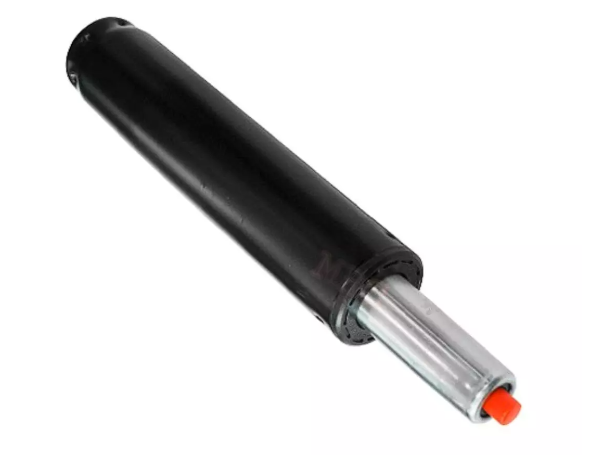
The simplest way to identify a failing cylinder
Sit normally in the chair, adjust it to your preferred height, and wait. If the seat gradually moves downward even though you are not touching the adjustment lever, the gas cylinder is a strong suspect.
What is an office chair gas cylinder?
An office chair gas cylinder, also called a gas lift or gas lift cylinder, is the vertical component located between the chair's five-star base and the mechanism underneath the seat.
Its main job is to provide adjustable seat height. When you operate the chair's height lever, the mechanism activates the cylinder and allows the seat to move up or down. Once you release the lever, the cylinder is intended to hold the seat at the selected position.
The cylinder also forms part of the structural connection between the chair mechanism and its base. That is why choosing a suitable replacement involves more than simply finding a cylinder that looks similar.
How does the gas cylinder work?
Inside the cylinder is a sealed mechanism that uses compressed gas to provide the lifting force. The exact internal construction can vary between manufacturers and cylinder designs, but the operating principle is relatively simple.
When the height lever is not being operated, the cylinder remains locked in its current position. When the lever activates the release mechanism, the cylinder can extend or compress, allowing the chair to move.
Your body weight helps push the chair downward when lowering it. When raising the chair, the stored force in the cylinder helps lift the seat.
You therefore do not normally need to manually lift the seat when raising it. The cylinder provides the assistance needed for the height adjustment.
Signs that your gas cylinder is failing
A cylinder usually gives you some indication that it is no longer working correctly. The most useful thing is to pay attention to how the chair behaves during normal use.
1. The chair slowly sinks
This is the classic symptom. You adjust the chair to a comfortable height, start working, and gradually find yourself sitting lower than you intended.
If the chair repeatedly sinks while you are sitting in it, despite the height lever remaining untouched, the cylinder should be one of the first components you investigate.
2. The chair will not stay at the selected height
A functioning cylinder should hold the seat at the selected position. If the height changes during normal use without you deliberately operating the adjustment lever, something in the height-adjustment system needs attention.
The cylinder is a likely cause, although the mechanism and lever should also be checked before buying a replacement.
3. Height adjustment becomes inconsistent
Another warning sign is inconsistent adjustment. The chair may sometimes rise normally but behave differently on another attempt.
Do not immediately assume the cylinder is defective. First check that the lever is properly engaging the mechanism and that there is no obstruction or damage around the adjustment system.
4. The chair has become difficult to adjust
If the chair suddenly behaves differently when you try to raise or lower it, inspect the entire height-adjustment system. A problem with the mechanism, lever, cylinder, or connection between the components can produce similar symptoms.
Before buying a replacement
Do not order a cylinder solely because the listing says "universal." Measure and compare the important dimensions, check the mounting arrangement, and make sure the replacement provides a suitable height range for your chair.
Could the problem be something other than the cylinder?
Not every height-adjustment problem is caused by the gas cylinder. This is an important distinction because replacing a perfectly good cylinder will not fix a damaged adjustment mechanism.
Before ordering a replacement, check whether the adjustment lever actually activates the mechanism underneath the seat. Look for loose hardware, damaged components, or anything that prevents the lever from operating normally.
If the lever operates normally but the chair continues to sink under your weight, the cylinder becomes a much stronger suspect.
Are office chair gas cylinders universal?
Replacement cylinders are available for many different office chairs, and a large number use similar mounting arrangements. However, it is safer not to assume that every cylinder will fit every chair.
Chairs differ in their cylinder dimensions, available height, mounting details, and the amount of adjustment they require. The relationship between the cylinder and the chair mechanism also matters.
When buying a replacement, compare the old cylinder with the specifications of the replacement rather than relying only on the word "universal."
What should you check before buying a replacement?
A few measurements and checks can save you from ordering the wrong part.
1. Overall cylinder dimensions
Compare the dimensions of the existing cylinder with the replacement. Pay particular attention to the sections that connect to the chair mechanism and the base.
2. Height range
The replacement should provide a useful height range for your chair. A cylinder that is technically compatible but changes the chair's working height too much may not be a good choice.
3. Top and bottom connections
Check how the cylinder connects to the seat mechanism and the five-star base. These connections need to match the chair's design.
4. Weight rating
Check the manufacturer's stated weight rating where available. The chair should be used within the limits specified for the replacement component and the chair itself.
5. Chair and mechanism compatibility
If the cylinder is being purchased for an unusual, heavy-duty, or specialised chair, check compatibility with the chair manufacturer or replacement-part supplier before ordering.
Can you replace an office chair gas cylinder yourself?
Yes, many office chair owners choose to replace the cylinder themselves. The basic idea is straightforward: the old cylinder is removed from the chair base and seat mechanism, and the replacement is fitted in its place.
The difficult part is often not installing the new cylinder. It is removing the old one.
After years of use, the cylinder can become firmly seated in the chair base or mechanism. Dirt, pressure, corrosion, and repeated loading can make the connection difficult to separate.
Do not rush a stuck cylinder
If the old cylinder is firmly stuck, forcing it with the wrong tool can damage the chair base or mechanism. Follow the replacement manufacturer's instructions and use appropriate tools. If you cannot safely separate the components, getting professional help is a better option than damaging the chair.
Basic replacement process
The exact procedure varies between chairs and replacement cylinders, so the manufacturer's instructions should take priority. In general, the process involves the following stages.
- Prepare the work area. Turn the chair upside down or position it securely so that you can access the cylinder and its connections.
- Separate the base from the cylinder. The old cylinder may be tightly fitted into the five-star base and may require appropriate tools to remove.
- Remove the cylinder from the chair mechanism. Once the base is separated, remove the cylinder from the mechanism underneath the seat.
- Compare the replacement. Before installation, compare the replacement with the old cylinder and confirm that the dimensions and connections are appropriate.
- Install the new cylinder. Fit the replacement into the chair mechanism and base according to the manufacturer's instructions.
- Test the chair carefully. Check the height adjustment and confirm that the chair remains stable and holds its selected height before returning to normal use.
Why the cylinder can become difficult to remove
One of the frustrating parts of this repair is that the cylinder may not be held in place by a conventional screw or bolt. Many chair components use a tapered friction connection.
Over years of sitting, the connection can become extremely tight. The weight placed on the chair repeatedly pushes the components together, making an old cylinder much harder to separate than it looks.
This is why replacing a cylinder can sometimes be a simple repair and sometimes turn into a much more difficult job. The condition and design of the individual chair matter.
Should you repair or replace the whole chair?
A failing cylinder alone is not necessarily a reason to throw away an otherwise good office chair.
If the seat, backrest, mechanism, armrests, base, and casters are still in good condition, replacing one worn component can extend the useful life of the chair considerably.
On the other hand, replacement may make less sense if several major components are failing at the same time. A cracked base, damaged mechanism, badly worn upholstery, broken armrests, and a failed cylinder together may make the repair cost difficult to justify.
Think about the condition of the complete chair rather than judging it by the cylinder alone.
Gas cylinder vs the chair's adjustment mechanism
These two components are easy to confuse because both are involved when you operate the height lever.
The gas cylinder provides the adjustable vertical support between the chair mechanism and base.
The chair mechanism sits underneath the seat and contains the controls and moving parts that operate the chair's height, tilt, recline, and related functions.
If the chair sinks under normal load, the cylinder is a common suspect. If the lever itself does not operate correctly, the mechanism or lever assembly may need inspection instead.
How to make your replacement last longer
A replacement cylinder should not need constant attention. However, normal chair care can reduce unnecessary stress on the entire chair.
- Keep the chair within its stated weight capacity.
- Avoid repeatedly dropping heavily into the seat.
- Keep the chair base and surrounding mechanism reasonably clean.
- Inspect loose hardware during regular chair maintenance.
- Do not continue using a chair that has become unstable or has a damaged base.
When should you stop using the chair?
A chair that simply sinks is frustrating, but other problems can be more serious. Stop using the chair if you notice a cracked five-star base, significant structural damage, severe instability, or another component that appears unsafe.
The gas cylinder is only one part of the chair's support structure. A replacement cylinder cannot compensate for a damaged base or broken mechanism.
If you are unsure whether a damaged chair is safe to use, have the relevant component inspected before putting your full body weight on it.
Is replacing the gas cylinder worth it?
In many cases, yes. The cylinder is a replaceable component, and a chair that is otherwise comfortable and structurally sound may have many useful years left.
The decision becomes especially straightforward when the cylinder is the only major problem. Instead of replacing an entire chair because it slowly sinks, replacing the worn component can be a much more sensible approach.
Before spending money, however, check the condition of the rest of the chair. If multiple expensive components are already worn, compare the total repair cost with the price of a new chair.
My practical checklist before ordering
If your chair is sinking and you are considering a replacement, I would check these things in this order:
- Confirm that the seat actually sinks while you are sitting normally.
- Check that the height lever is not accidentally being activated.
- Inspect the mechanism underneath the seat.
- Check the five-star base for cracks or other damage.
- Compare the existing cylinder's dimensions with the proposed replacement.
- Check the replacement's height range and weight rating.
- Confirm compatibility with your chair mechanism and base.
- Read the installation instructions before attempting removal.
This short checklist can prevent a surprisingly common mistake: buying a cylinder that looks right but does not provide the correct fit or height for the chair.
Conclusion
The gas cylinder is a small part of an office chair, but it has an important job. It provides the chair's height adjustment and forms the connection between the seat mechanism and the five-star base.
If your chair slowly sinks, refuses to hold its height, or behaves inconsistently during height adjustment, the cylinder is worth checking. Before replacing it, however, make sure the problem is actually the cylinder and not the adjustment mechanism or another damaged component.
When buying a replacement, do not rely solely on "universal" compatibility. Check the dimensions, connections, height range, weight rating, and compatibility with your particular chair. And if the old cylinder is firmly stuck, take your time rather than forcing it with unsuitable tools.
Most importantly, a failed gas cylinder does not automatically mean the chair has reached the end of its life. If the rest of the chair is comfortable and structurally sound, replacing one worn component can be a practical way to keep using it.