Cleaning an office chair doesn't need to be complicated. In my experience, the bigger mistake is usually using too much water or too much cleaning product when a simple surface wipe would have been enough.
I have used the same office chair for around four years, and cleaning became a small part of my regular routine. I normally cleaned the cushion with a wet cloth about once a week and used a dry cloth on the mesh back. I also had an oily-food stain that I was able to remove with a wet cloth.
This guide explains the general approach for cleaning different chair materials, but I will also separate that advice from what I actually did with my own chair. That distinction matters because upholstery materials are not all cleaned in exactly the same way.
My biggest lesson after four years
Use very little water. In my own routine, I found that I only needed enough moisture to clean the surface. I did not need to soak the cushion or mesh. If you are unsure about a cleaner or a particular material, check the chair manufacturer's care instructions before using it.
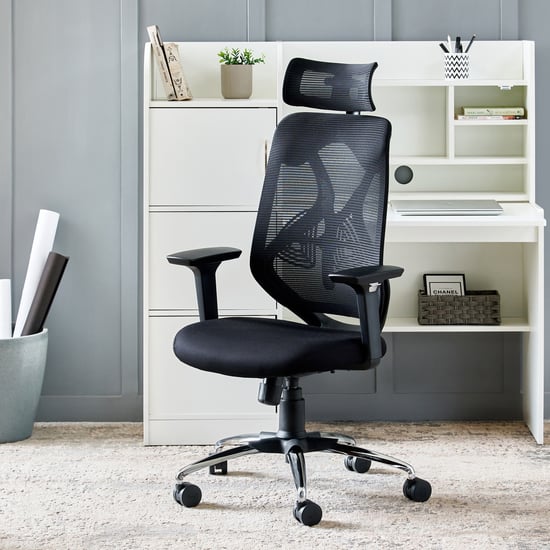
Before cleaning: check what your chair is made of
Before reaching for a cleaning product, identify the material you are dealing with. A mesh back, fabric cushion, genuine leather and faux leather can all require different care.
If your chair has a manufacturer's cleaning label or care instructions, read those first. Some upholstery is designed for water-based cleaning while other materials may require a different method.
If you cannot find cleaning instructions, the safest starting point is usually to remove loose dust and use a small amount of moisture rather than immediately applying a strong chemical.
A simple rule
When you don't know how a material will react, test your cleaning method on a small, hidden area first. Let it dry and check for colour change, marks or other damage before cleaning the visible surface.
How I cleaned my own office chair
My routine was fairly simple. I wasn't using a complicated collection of upholstery-cleaning equipment.
For the cushion, I generally used a wet cloth about once a week. I would use enough moisture to clean the surface rather than soaking the cushion.
For the mesh back, I generally used a dry cloth.
I also used water, detergent and Dettol on occasions when I wanted to clean the surface more thoroughly. However, this is something I would describe as my personal experience, not a universal recommendation. I would check the manufacturer's care instructions before using those products on another chair.
The main thing I learned was that I didn't need much liquid. A small amount on the cloth was enough for surface cleaning.
Cleaning the cushion or fabric seat
Fabric and cushioned seats can collect dust, food particles, skin oils and stains because they are in direct contact with you for hours at a time.
Start by removing loose dirt. If you have a vacuum cleaner, it can help remove crumbs and dust before you introduce any moisture.
If the manufacturer's instructions allow water-based cleaning, use a cloth that is lightly damp rather than soaking wet. Wipe the surface gently and concentrate on visibly dirty areas.
The important part is controlling the amount of water. Upholstered cushions can hold moisture inside, so soaking the surface can create a much bigger problem than the original dirt.
What worked for me
With my own chair, a wet cloth was enough for routine cleaning. I did this about once a week.
I also had an oily-food stain on the chair. I used a wet cloth on it, and it worked—the stain was removed.
That experience taught me something simple: if you catch a surface stain early, you may not need an aggressive cleaning product at all.
How to clean a mesh office chair
Mesh requires a slightly different approach because it is a woven material rather than a solid cushion surface.
For regular maintenance, start by removing dust and loose debris. A soft brush or vacuum can be useful if dust has accumulated in the weave.
For light surface dirt, use a soft cloth. If the manufacturer's instructions allow moisture, a lightly damp cloth can be used rather than applying water directly to the mesh.
In my own case, I normally used a dry cloth on the mesh back. I didn't have to use a wet cleaning method for routine mesh cleaning.
Avoid aggressive scrubbing. Mesh can stretch or become distorted if you repeatedly apply excessive force.
Cleaning leather and faux leather
Leather and faux leather are easier to wipe than many fabric surfaces, but that doesn't mean you should use any household cleaner you have available.
First check the manufacturer's instructions. If gentle water-based cleaning is allowed, use a soft, lightly damp cloth and wipe the surface gently.
Don't leave the surface wet. After cleaning, wipe away remaining moisture with a dry cloth.
Avoid abrasive materials and strong household chemicals unless the manufacturer specifically recommends them.
Genuine leather can also have additional care requirements, such as conditioning. Faux leather generally has different maintenance requirements, so don't automatically treat both materials identically.
How to deal with an oily food stain
Food stains are one of the most realistic problems with an office chair, especially if you regularly eat while working.
I experienced this myself. I got an oily-food stain on my chair, and in my case a wet cloth was enough to remove it.
If you have a fresh spill, deal with it as soon as practical rather than allowing it to sit for a long time. Start gently and avoid immediately applying a strong chemical.
- Remove any remaining food from the surface.
- Use a cloth appropriate for the material.
- Use only a small amount of moisture if the material allows it.
- Gently clean the affected area.
- Remove any remaining residue with a clean cloth.
- Allow the area to dry completely.
If the stain does not come out, don't keep scrubbing harder. Check the upholstery care instructions and use a cleaner designed for that particular material.
Can you use detergent on an office chair?
I have personally used detergent with water while cleaning my chair, but I don't think that means detergent is automatically suitable for every office chair.
Different fabrics, coatings, mesh materials and synthetic upholstery can react differently to cleaning products. A product that worked for my chair may not be appropriate for another chair.
If you decide to use a cleaning product, check the manufacturer's instructions first and test it somewhere that is not normally visible.
Also remember that more detergent does not mean better cleaning. Leaving cleaning residue behind can create another problem, especially on fabric.
What about Dettol?
Dettol is another product I used occasionally while cleaning my own chair. Again, I am describing my personal experience rather than recommending it as the correct cleaner for every upholstery material.
If you are considering using a disinfectant or another household cleaning product, check whether it is suitable for your particular chair material. If the manufacturer doesn't recommend it, I would not use it simply because it is a common household product.
For routine cleaning, I would start with the least aggressive method that gets the surface clean.
The amount of water matters more than people think
This is probably the most useful lesson I took from cleaning my own chair.
You don't need to make the chair wet to clean it.
My approach was to use very little water—just enough to clean the surface with a cloth.
Excess moisture can move into cushions and other parts of the chair where it is much harder to remove. If the chair stays damp for too long, it can also develop an unpleasant smell.
So instead of pouring or spraying water directly onto upholstery, put a small amount on the cleaning cloth when the material allows water-based cleaning.
How often should you clean an office chair?
There isn't one schedule that fits every chair. Someone who sits in a chair for ten hours every day will probably need to clean it more frequently than someone who uses it occasionally.
My own routine was more frequent than the minimum: I cleaned the cushion with a wet cloth about once a week.
The mesh was simpler because I normally wiped it with a dry cloth.
I think regular light cleaning is preferable to waiting until the chair becomes heavily dirty and then trying to perform one aggressive deep clean.
A simple routine
- Every week: Light surface cleaning if you use the chair heavily.
- After spills: Clean the affected area as soon as practical.
- Every few weeks: Remove accumulated dust and debris from difficult areas.
- Occasionally: Inspect the chair for stains, loose material, damaged upholstery and other signs of wear.
What I noticed after four years
One reason I like talking about chair maintenance from personal experience is that you can see things that aren't obvious after a few months.
I used my chair for around four years. It was still comfortable and usable, but it did show normal signs of long-term wear.
The cushion colour had faded, and the mesh had become loose. The wheels were still good, and the height adjustment continued to work properly. The armrest adjustment eventually needed some maintenance, while the other parts were still working fine.
I don't attribute the mesh becoming loose or the cushion colour fading to cleaning. Those were simply things I noticed after several years of use. Regular cleaning helped me keep the surfaces usable, but cleaning cannot stop every type of wear that happens over time.
What I would do differently with a new chair
If I bought another office chair today, I would keep the same basic cleaning approach but pay even more attention to the material before using any cleaning product.
I would also continue with light, regular cleaning rather than allowing dirt and food stains to build up.
Most importantly, I would remember the lesson that took me years to appreciate: surface cleaning needs very little water.
Common cleaning mistakes to avoid
1. Soaking the cushion
A cushion can hold moisture internally. Use a lightly damp cloth when the material permits it rather than soaking the upholstery.
2. Using a strong chemical immediately
Start with the least aggressive method that can reasonably solve the problem. Check the manufacturer's instructions before using disinfectants, detergents or other chemicals.
3. Scrubbing hard
Aggressive scrubbing can damage delicate surfaces and can sometimes push a stain deeper into the material.
4. Ignoring the material
Don't assume that a method that works on a fabric cushion is appropriate for leather or mesh.
5. Using too much water
This is the mistake I would most strongly avoid. My own experience has been that a small amount of moisture on a cloth is usually enough for surface cleaning.
6. Not allowing the chair to dry
After any wet cleaning, allow the surface to dry properly before using it normally.
A simple office chair cleaning checklist
- Check the chair's cleaning instructions.
- Identify the upholstery material.
- Remove loose dust and debris first.
- Use a soft cloth for routine surface cleaning.
- Use very little water when water-based cleaning is permitted.
- Treat food stains as soon as practical.
- Test unfamiliar cleaning products on a hidden area first.
- Avoid aggressive scrubbing.
- Avoid soaking upholstery.
- Let the chair dry properly after wet cleaning.
My final advice after four years of use
If you want to keep an office chair clean, you don't need an elaborate cleaning routine.
In my own case, I used a wet cloth on the cushion about once a week and a dry cloth on the mesh. When I had an oily-food stain, a wet cloth was enough to remove it. I also used small amounts of detergent, Dettol and water at times, but I would not automatically recommend those products for another chair without checking its material and cleaning instructions first.
The biggest lesson for me was simply to use very little water—just enough to clean the surface. I think that is a much safer habit than trying to thoroughly soak an office chair every time it needs cleaning.
After four years, my chair was still comfortable and usable even though the cushion colour had faded and the mesh had become loose. That experience made me appreciate regular light maintenance much more than occasional aggressive cleaning.
If you're maintaining your own chair, start gently, use the correct method for the material, and don't use more water or cleaning product than you actually need.